
Kyle Cline
Quick Summary:
Yes—hail can cause significant damage to a roof’s granule coating, underlying structure, and remaining lifespan without producing an immediate leak. By the time a leak shows up, the damage is often much worse than it needed to be, which is why a professional inspection after severe weather matters.
I’m Kyle Cline with Cline Construction & Roofing. For homeowners in the Kansas City metro, Pleasant Hill, MO, and Cass County, I see this situation every storm season: the roof looks normal from the ground, there is no water on the ceiling, and hidden hail damage is already working against the home.
How Hail Damages a Shingle Roof
Asphalt shingles have a protective top layer made of granules. Think of those granules as the roof’s armor. They help shield the asphalt from the sun, weather, and everyday wear while also giving shingles their color and texture.
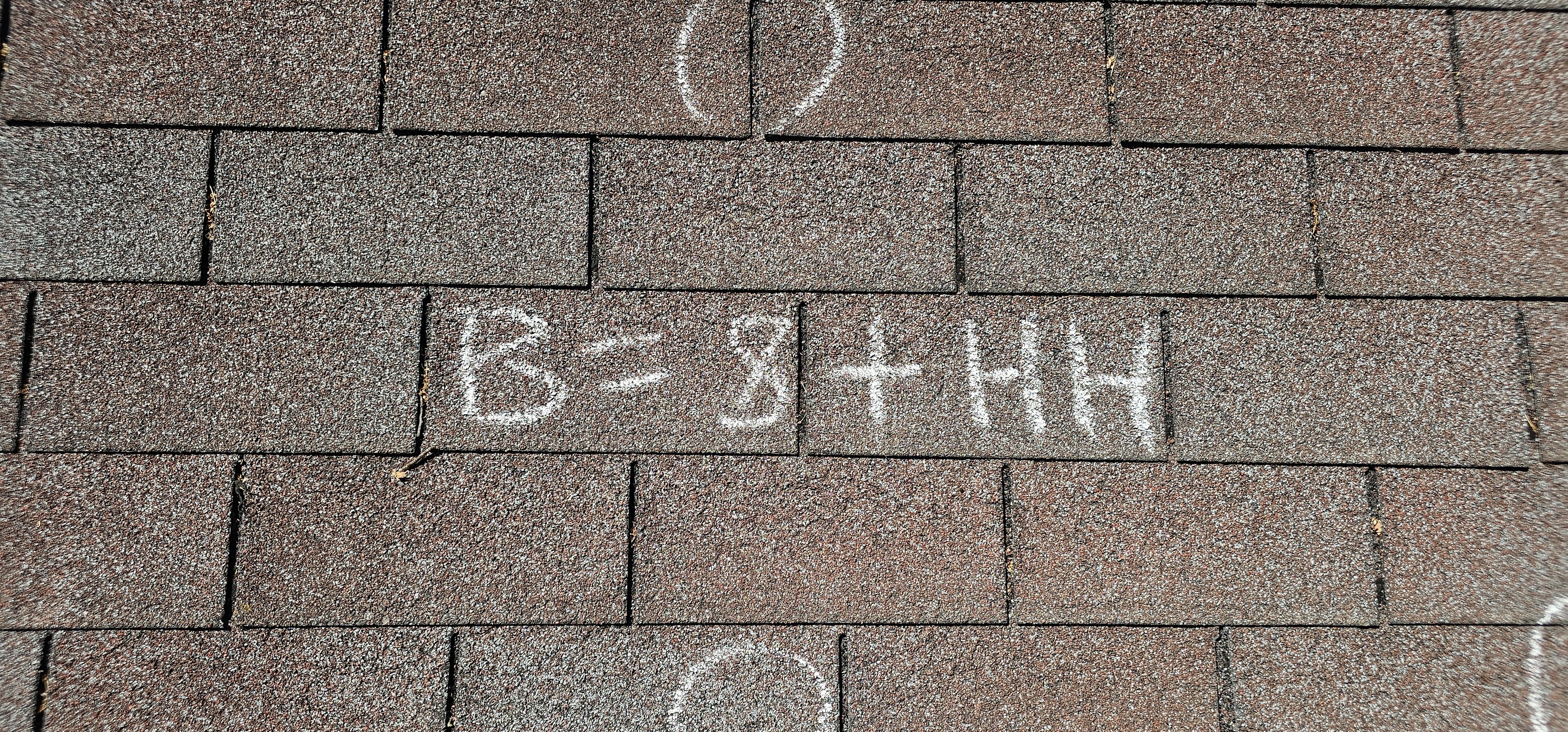
When hail hits, it can knock granules loose or bruise the shingle underneath. The mark may not look dramatic from the ground, but the impact can weaken the shingle mat and expose more of the asphalt to heat and moisture over time. That is why what does hail damage look like on a roof
is not always an easy question for a homeowner to answer from a ladder or driveway.
A hail strike may leave a small, darkened spot, a soft-feeling bruise, or an area where granules are missing. It can also damage ridge caps, vents, flashing, and other parts of the roofing system. One mark alone may not tell the whole story; what matters is the pattern and consistency of impact across the roof.
Why You May Not See a Leak Right Away
A leak usually happens only after water finds a path through the roof system. Hail damage often starts by weakening the shingle’s ability to protect that system. The roof may continue shedding water for a while, even though its protective surface has been compromised.
That delay can create a false sense of security. Sun, wind, rain, and Missouri’s seasonal temperature swings continue working on the damaged area. Over months or years, the weakened shingles can crack, lose more granules, fail around fasteners, or allow moisture beneath the surface. By the time staining appears on a ceiling, the repair may involve more than the original storm damage.
For Kansas City metro homeowners, the point is not to panic after every storm. It is to avoid using “no leak” as the only test of whether a roof is healthy. A roof can have legitimate hail damage and still be keeping water out today.
What I Look for That You Cannot See From the Ground
At Cline Construction & Roofing, I inspect the whole roofing system—not just the most visible slope. During a post-storm inspection in Pleasant Hill, MO, Cass County, or the surrounding Kansas City metro, I look for bruised shingles, fractured mats, granule displacement, cracked ridge caps, torn or lifted shingles, and impact marks on metal components.
I also check flashing around chimneys, walls, skylights, and roof penetrations. Those areas are especially important because they are designed to direct water away from vulnerable transitions. I inspect vents and pipe boots, along with valleys and other locations where water naturally concentrates.
Just as important, I look at the pattern of damage. Storm damage has a story: the direction of the storm, the slopes that took the most impact, and the matching evidence on other exterior surfaces. That thorough approach helps separate a possible hail claim from ordinary roof aging or isolated mechanical damage.
If repairs or replacement are needed, our Roofing
services are built around an honest scope of work and clear communication—not a high-pressure sales pitch.
Signs You Can Check Safely Yourself
You should not climb on the roof after a storm. Wet shingles, loose debris, and steep slopes create unnecessary risk. But there are several signs your roof has storm damage that you can look for safely from the ground.
- Dented gutters, downspouts, gutter guards, or metal window wraps.
- Granules collecting in downspout exits or washing out onto driveways and patios.
- Dented metal roof vents, flashing, mailbox posts, fence caps, or A/C condenser caps.
- Torn window screens, chipped siding, or marks on painted metal surfaces.
- Missing shingles, debris on the roof, or fresh water staining inside the attic or ceiling.
None of these signs proves your shingles are damaged, but they are good reasons to schedule a roof inspection after severe weather. Gutters are often one of the clearest ground-level indicators because hail leaves dents on softer metal even when the roof is hard to see. Cline Construction & Roofing can also inspect and repair storm-damaged Gutters
as part of a complete exterior assessment.
Why Waiting Can Hurt Your Claim
Waiting too long can make it harder to document what happened and connect the damage to a specific storm. Evidence fades, granules wash away, and normal aging can become mixed in with the original impact. If you suspect hail damage, take photos and video as soon as it is safe, then get a local inspection.
Many homeowners hear about a 12-month filing window for Missouri storm claims. The important detail is that deadlines are set by your individual policy and can vary, so do not assume every policy has the same timeline. Read your policy, ask your carrier about its reporting requirements, and act promptly. Missouri guidance also emphasizes documenting damage, making only necessary temporary repairs to prevent further loss, keeping receipts, and waiting for the insurer’s inspection before beginning permanent repairs.
My role is to give you a contractor’s honest assessment and clear documentation. Your insurance company determines coverage, but a detailed inspection can help you decide whether filing a claim is appropriate. Learn more about how Cline Construction & Roofing supports homeowners through Insurance Restoration.
What a Free Hail Damage Inspection Includes
A professional hail damage inspection from Cline Construction & Roofing is free. I inspect the roof, flashing, vents, ridge caps, gutters, downspouts, siding, window trim, and other exterior components that may show a consistent storm pattern.
Then I explain what I found in plain language. If there is no actionable damage, I will tell you that. If a repair makes sense, I will explain why. If the damage points to a larger hail damage restoration Kansas City
project, I will walk you through the next steps and can meet with your adjuster to discuss the documented scope.
FAQ
Can hail damage a roof without causing leaks?
Yes. Hail can bruise shingles and remove protective granules without creating an immediate opening for water. The damage can still reduce the roof’s remaining lifespan.
How do I tell if hail damaged my roof?
Ground-level signs such as dents in gutters or A/C caps can be helpful, but a professional inspection is the most reliable way to identify roof damage safely.
Should I wait for a leak before calling a roofer?
No. Waiting for a leak can allow minor storm damage to become more serious. An inspection after a significant storm gives you the information to act early.
Does a hail inspection cost anything?
No. Cline Construction & Roofing provides free, no-pressure inspections for homeowners in Pleasant Hill, MO, Cass County, and the Kansas City metro.
Had a storm come through this summer? Call or text Kyle at 816-540-2634 for a free inspection — or schedule at https://clineconstructionandroofing.com/contact/.